
App Movers: Complete Guide for Moving Companies in 2026
Discover how app movers transform moving company operations through digital migration. Learn strategies, best practices, and tools for success.
The moving industry has undergone dramatic digital transformation over the past decade, with companies increasingly relying on specialized software to manage operations. As businesses grow and technology evolves, many moving companies find themselves needing to transition from outdated systems to modern platforms. This process, often managed by app movers, represents a critical juncture that can either propel a business forward or create significant operational disruptions. Understanding the fundamentals of application migration and choosing the right approach ensures moving companies maintain service quality while upgrading their technology infrastructure.
Understanding App Movers in the Moving Industry Context
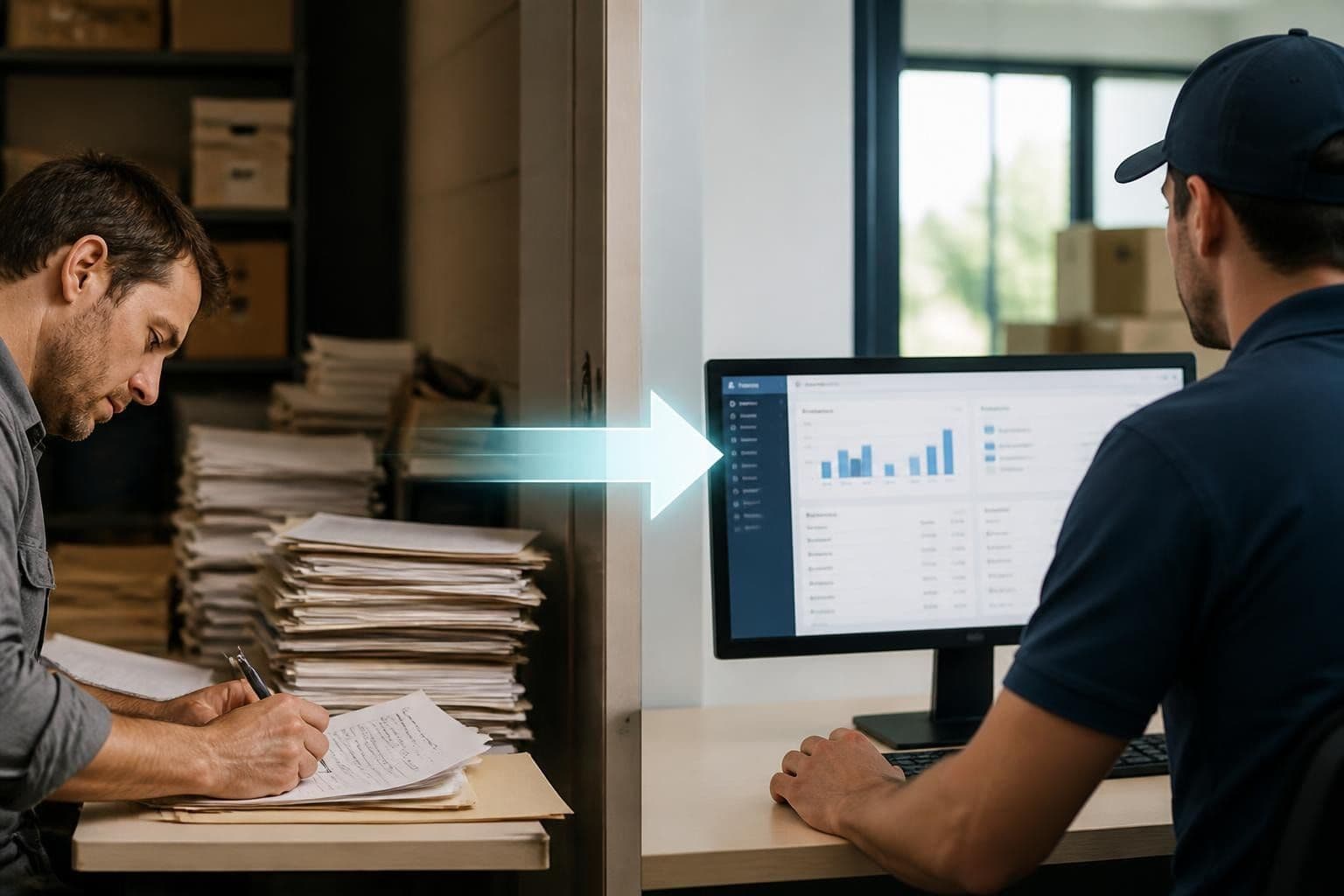
App movers refer to specialized processes, tools, and strategies used to migrate applications from one environment to another. For moving companies, this typically involves transitioning from legacy systems-or even paper-based processes-to cloud-based CRM and inventory management platforms. The concept encompasses more than just data transfer; it includes workflow adaptation, user training, and system integration.
The term "app movers" has evolved alongside cloud computing adoption. In the moving industry specifically, these migration efforts often center around customer relationship management systems, inventory tracking applications, and job scheduling platforms. Companies must approach these transitions strategically to avoid service interruptions during peak moving seasons.
Why Moving Companies Need Application Migration
Traditional moving company operations relied heavily on manual processes, spreadsheets, and disconnected software systems. As customer expectations have shifted toward real-time tracking, digital inventory lists, and seamless communication, these legacy approaches have become insufficient. Modern moving businesses require integrated platforms that handle everything from initial quotes to final delivery confirmations.
The drivers behind application migration for moving companies include:
- Operational efficiency improvements through automated workflows and reduced paperwork
- Enhanced customer experience via real-time updates and digital inventory management
- Data centralization enabling better business insights and decision-making
- Scalability requirements as businesses expand to new markets or service areas
- Compliance and security meeting modern data protection standards

Key Strategies for Successful App Migration
Effective app movers employ multiple strategies depending on specific business needs and technical requirements. AWS's comprehensive guide on application migration outlines several fundamental approaches that apply across industries, including the moving sector.
The Rehosting Approach
Rehosting, commonly known as "lift and shift," involves moving applications to a new environment with minimal changes. For moving companies using basic database systems or simple scheduling tools, this approach offers the fastest migration path. The existing application architecture remains largely intact while benefiting from improved infrastructure.
This strategy works particularly well when:
- Time constraints require rapid deployment
- The existing application meets current business needs
- Technical resources for extensive redevelopment are limited
- The goal is infrastructure modernization rather than functional enhancement
Replatforming for Moderate Optimization
Replatforming represents a middle ground where businesses make targeted optimizations during migration without completely redesigning applications. Moving companies might replatform their customer database to leverage cloud-native features while maintaining familiar interfaces for staff members.
The application refactoring best practices outlined by TechTarget provide deeper insights into when and how to optimize applications during migration efforts.
Complete Replacement with Modern Platforms
Many moving companies choose to replace legacy systems entirely with purpose-built solutions. This approach eliminates technical debt and immediately provides access to industry-specific features. Rather than attempting to migrate outdated inventory tracking systems, businesses can transition directly to platforms designed for modern moving operations.
Planning Your Application Migration Journey
Successful app movers begin with comprehensive planning phases that assess current systems, define objectives, and establish migration timelines. For moving companies, this planning must account for seasonal business fluctuations and minimize disruption during busy periods.
Assessment and Discovery Phase
The initial assessment identifies all applications, databases, and workflows currently in use. Moving companies should document:
- Customer data storage locations and formats
- Inventory management processes and tools
- Scheduling and dispatch systems
- Communication platforms for customer updates
- Financial and billing applications
- Integration points between different systems
This discovery phase reveals dependencies that might complicate migration. For instance, a moving company might find their inventory system feeds data to their billing platform, requiring coordinated migration or temporary integration bridges.
Setting Clear Migration Objectives
Defining success criteria helps app movers measure progress and make informed decisions throughout the migration process. Moving companies should establish specific, measurable goals such as:
- Reduce inventory documentation time by 50%
- Enable real-time job status updates for all customers
- Centralize customer communication in a single platform
- Achieve 99.9% system uptime during peak moving season
- Complete migration within specified budget parameters

Executing the Migration Process
Implementation requires careful coordination between technical teams, operational staff, and management. The best practices for initiating an app migration strategy emphasize the importance of workload analysis and phased approaches.
Data Migration Fundamentals
Moving customer records, job histories, and inventory data represents one of the most critical aspects of application migration. App movers must ensure data integrity throughout the transfer process while maintaining accessibility for ongoing operations.
Data migration steps for moving companies:
- Data cleaning to remove duplicates and correct inconsistencies
- Format transformation to match new system requirements
- Validation testing to verify accuracy and completeness
- Incremental synchronization to maintain current information during transition periods
- Historical data archival for records that don't require active system access
Testing and Validation Protocols
Rigorous testing prevents costly errors and service disruptions. Moving companies should establish test environments that mirror production systems, allowing staff to practice new workflows without affecting actual customer jobs.
Testing should encompass:
- Functional testing of all critical features
- Performance testing under expected load conditions
- Integration testing for connected systems
- User acceptance testing with actual staff members
- Disaster recovery procedures
Managing the Transition Period
The cutover from old to new systems requires precise timing and clear communication. Many moving companies choose to migrate during slower business periods or implement phased rollouts that gradually transition different business units.
Training and Change Management
Technology transitions succeed or fail based on user adoption. Even the most sophisticated app movers cannot overcome resistance from staff members uncomfortable with new systems. Moving companies must invest in comprehensive training programs that address different learning styles and technical proficiency levels.
Developing Effective Training Programs
Training should begin before migration completion, allowing staff to familiarize themselves with new interfaces and workflows. Consider creating role-specific training modules:
- Customer service representatives focus on quote generation and customer communication features
- Moving crews learn mobile inventory tracking and job detail access
- Dispatchers master scheduling, route optimization, and crew coordination tools
- Management explores reporting, analytics, and system administration capabilities
Supporting Users Through Transition
Ongoing support resources help users navigate challenges during the adjustment period. The Ubuntu blog's discussion of application migration best practices highlights the importance of addressing common pitfalls, including inadequate user support.
Establish multiple support channels:
- Dedicated help desk for technical issues
- Internal champions who can answer colleague questions
- Video tutorials demonstrating common tasks
- Quick reference guides for frequently used features
- Regular feedback sessions to identify pain points

Security and Compliance Considerations
App movers must prioritize data security and regulatory compliance throughout migration processes. Moving companies handle sensitive customer information, including addresses, contact details, and valuable inventory records. Protecting this data during and after migration is both a legal obligation and a trust imperative.
Data Protection During Migration
Migration creates temporary vulnerabilities as information moves between systems. Implementing encryption for data in transit and at rest protects against unauthorized access. Regular security audits during the migration process identify potential weaknesses before they can be exploited.
Security measures for app movers:
- End-to-end encryption for all data transfers
- Access controls limiting migration tool permissions
- Audit logging to track all data access and modifications
- Secure disposal of data from legacy systems post-migration
- Backup redundancy ensuring recovery options
Meeting Industry Compliance Standards
Moving companies must navigate various regulatory requirements depending on their service areas and customer types. Federal motor carrier regulations, insurance requirements, and consumer protection laws all have data management implications that affect application migration strategies.
Measuring Migration Success
Evaluating app movers requires establishing key performance indicators that reflect both technical achievements and business outcomes. Moving companies should track metrics across multiple dimensions to gain comprehensive understanding of migration impact.
Technical Performance Metrics
System performance indicators reveal whether the new application environment meets operational requirements. These metrics provide objective measurements of infrastructure improvements:
- System uptime and availability percentages
- Response time for common user actions
- Data synchronization speed and accuracy
- Integration reliability with external systems
- Resource utilization and scalability capacity
Business Impact Measurements
Ultimately, application migration should drive business improvements. Moving companies can assess success through operational efficiency gains and customer satisfaction improvements.
Specialized Considerations for Moving Company App Migration
While general app movers principles apply broadly, moving companies face unique challenges that require specialized approaches. Understanding these industry-specific factors helps ensure successful transitions.
Seasonal Business Fluctuations
Moving demand varies significantly throughout the year, with summer months typically representing peak season. Planning migration timelines around these fluctuations prevents system changes from disrupting high-revenue periods. Most moving companies should target application migrations for late fall or winter months when business volume decreases.
Mobile Workforce Requirements
Moving crews operate on-site at customer locations, requiring mobile-friendly applications with offline capabilities. App movers must ensure new systems support field operations through:
- Mobile applications for iOS and Android devices
- Offline data entry with automatic synchronization
- Photo capture for inventory documentation
- Digital signature collection
- GPS integration for route tracking and time verification
Integration with Existing Tools
Many moving companies use specialized tools for specific functions, such as truck routing software or specialized billing systems. The detailed guide on migrating applications to AWS Cloud discusses integration planning during the assessment and planning phases, which proves particularly valuable for businesses with complex technology ecosystems.
Common Pitfalls and How to Avoid Them
Even experienced app movers encounter challenges during migration projects. Learning from common mistakes helps moving companies navigate their transitions more smoothly.
Underestimating Data Complexity
Moving companies often discover their data is messier than initially assumed. Years of inconsistent entry practices, duplicate records, and incomplete information create migration complications. Address this by:
- Conducting thorough data audits before migration
- Allocating sufficient time for data cleaning
- Establishing data quality standards for the new system
- Implementing validation rules to prevent future inconsistencies
Insufficient Testing Coverage
Rushing through testing to meet deadlines frequently results in post-migration problems that disrupt operations. Comprehensive testing should include edge cases and unusual scenarios that might not occur daily but could cause significant issues when they arise.
Neglecting Change Management
Technical success doesn't guarantee business success when users resist new systems. Some staff members may prefer familiar processes even when new tools offer clear advantages. Addressing this requires acknowledging concerns, demonstrating benefits, and providing adequate support during adjustment periods.
Poor Communication with Stakeholders
Migration projects affect everyone from frontline movers to executive leadership. Regular updates about progress, challenges, and timeline changes keep stakeholders informed and engaged. Surprises erode confidence and create unnecessary anxiety during already stressful transitions.
Future-Proofing Your Migration Investment
Smart app movers look beyond immediate migration needs to ensure long-term platform viability. Moving companies should select systems and strategies that accommodate future growth and technological evolution.
Choosing Scalable Solutions
Applications that work well for a company with five trucks may fail when the fleet expands to fifty. Evaluate platforms based on their ability to handle projected growth over the next five to ten years. Cloud-based solutions typically offer more scalability than on-premises systems, allowing resources to expand as business needs increase.
Building for Integration Flexibility
Technology landscapes continue evolving, with new tools and capabilities emerging regularly. Choose platforms with robust APIs and integration capabilities that facilitate future connections to specialized tools. This flexibility prevents lock-in scenarios where businesses feel trapped by systems that can't adapt to changing needs.
Planning for Continuous Improvement
Application migration shouldn't represent a one-time event but rather a step in ongoing digital transformation. Successful moving companies treat their systems as living platforms that evolve based on user feedback, industry developments, and business growth. Regular reviews of system performance and feature utilization identify optimization opportunities.
---
Successfully navigating application migration transforms moving company operations, enabling better customer service, improved efficiency, and sustainable growth. By following proven strategies, prioritizing user adoption, and planning carefully around business needs, companies can minimize disruption while maximizing the benefits of modern technology platforms. Movers Inventory provides purpose-built digital inventory management solutions designed specifically for moving companies, eliminating the complexity of adapting generic tools while offering seamless migration support that understands the unique challenges of the moving industry.